Mall Bookstore Core: The Shoujo Series That Raised a Whole Generation of American Romantics
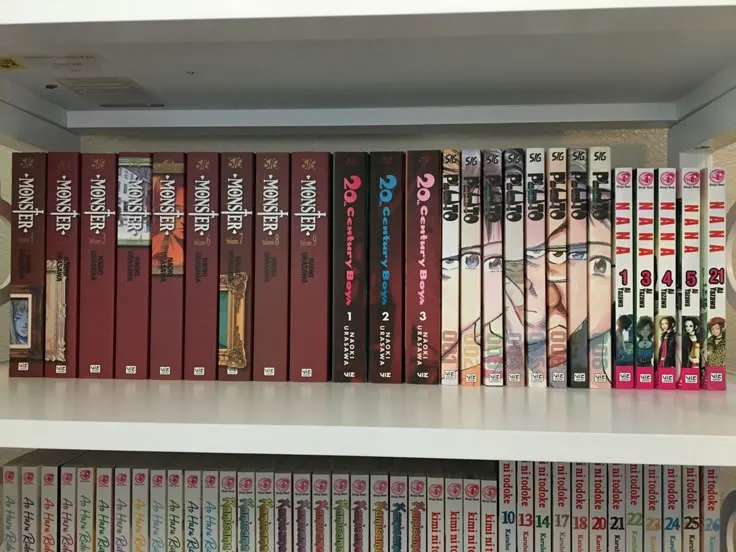
Photo: vintage manga paperback books stacked on bed nostalgic 2000s, via i.pinimg.com
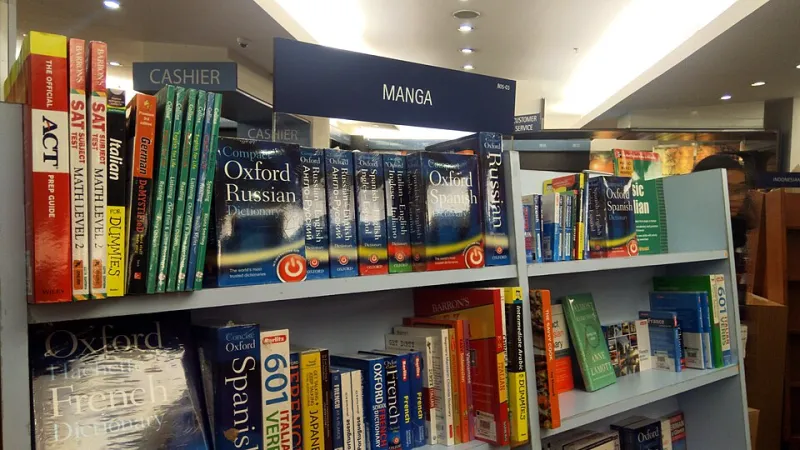
Close your eyes and picture it: the food court smell of pretzels and body spray, a mall bookstore with a tiny manga section wedged between teen magazines and movie tie-in novels. If you were a certain kind of American kid in the early 2000s, that cramped little shelf was the whole world. And thanks to Tokyopop's revolutionary '100% authentic manga' pocket-sized, right-to-left, ten-bucks-a-pop paperbacks, it was a world you could actually afford on allowance money.
We talk a lot on this site about modern romance manga — the webtoon boom, the simulpub era, the slow burns trending on social media. But I want to pour one out for the pink-spined ancestors. The Tokyopop-era shoujo didn't just entertain us. It formed us. If you have strong opinions about love triangles, an unreasonable tolerance for the 'cold boy with a tragic past' archetype, or a permanent soft spot for the second lead who never stood a chance — I have news for you about where that started.
The Starter Pack: What We Were Actually Reading
Let's be honest about the canon. Fruits Basket was the gateway drug, full stop. Natsuki Takaya's blend of zodiac mythology, found family, and genuine emotional damage hit American teens like a freight train wearing a cute hat. Tohru Honda's relentless kindness felt radical in a genre that often rewarded snark, and the Kyo/Yuki divide split friend groups the way Team Edward/Team Jacob would a few years later.
Kare Kano (His and Her Circumstances) was the intellectual's pick — Yukino and Arima's 'perfect students hiding messy truths' dynamic was basically the blueprint for half the enemies-to-friends-to-lovers stories we rave about now. Peach Girl brought deliciously soapy drama, Momo's tanning-gel insecurities, and a villain in Sae who remains one of the most effectively hateable characters ever printed. Nana by Ai Yazawa — technically a josei-adjacent title, but shelved with the rest — taught a generation that romance stories could be about friendship, ambition, and heartbreak that doesn't resolve neatly.
And then the deep cuts: Sailor Moon reprints (mixx-era chaos aside), Imadoki!, Demon Diary (Korean, technically, but shelved among its cousins), Gravitation for readers ready to branch out, and D.N.Angel straddling the shoujo/shonen line while we argued about it on LiveJournal.
Why These Titles Hit Different
Here's my honest take: part of the nostalgia is just nostalgia. But part of it is structural. Tokyopop-era shoujo arrived in America before romance manga was a category anyone took seriously. There was no algorithm telling us what to read next. You bought volume three because the girl at the register said 'wait until you see what happens,' and then you waited six months for volume four with zero guarantee the license would even survive.
That scarcity created devotion. We reread volumes until the spines cracked. We passed copies around homeroom like contraband. And because these series leaned hard into emotional interiority — Tohru's grief, Yukino's masks, Nana's longing — they gave a lot of American kids their first vocabulary for feelings they didn't have words for yet.
There's also something to be said for the format itself. Those little digest-sized paperbacks fit in a jacket pocket. They were intimate in a way that a 300-page omnibus on your Kindle isn't, and I will die on this very small hill.
The Heartbreak: A Lot of This Era Is Endangered
Now the bad news, and it stings. Tokyopop's 2011 North American shutdown orphaned countless licenses mid-run. Series went out of print. Some never finished in English. The secondhand market has responded accordingly — complete runs of certain titles now command collector prices that would shock 2005 you, who paid $9.99 and complained about it.
Some happy endings exist, though. Fruits Basket got the gold-standard treatment from Yen Press: a gorgeous collector's edition of the original run, plus the Fruits Basket Another sequel and the Three Musketeers side stories. Sailor Moon and Kare Kano also landed with Kodansha in beautiful re-releases. Nana, after years of hiatus limbo in Japan, finally resumed — and Viz keeps the existing volumes in print, bless them.
But for every rescued title there's a Peach Girl situation (it did get a Kodansha re-release, thankfully) or, worse, a series like Gakuen Alice or Land of the Blindfolded that lives mostly in used bookstore bins and the memories of people who were there.
How to Hunt Down the Classics in 2024
If you want to build a physical shrine to this era, a few field notes from someone who's done the digging:
- ThriftBooks, AbeBooks, and eBay are your workhorses. Set alerts, be patient, and check seller photos for library stickers — ex-library copies are cheaper and honestly, that's where half of these books lived anyway.
- Local used bookstores are criminally underrated for manga. Half-Price Books especially can be a goldmine; I once found volumes 1–8 of a Tokyopop title for a dollar each and nearly wept at the register.
- Check current publishers before paying collector prices. Yen Press, Kodansha, and Viz have quietly rescued more of these licenses than most fans realize. A quick search of the title plus 'Yen Press' or 'Kodansha' can save you forty bucks.
- Library sales and Friends of the Library shops regularly unload manga donated by adults who 'grew out of it.' Their loss, your complete run.
Do They Hold Up? Mostly, Yes — With an Asterisk
Rereading as an adult, some things creak. Pacing drags. Some relationship dynamics read differently — let's just say a few 'romantic' gestures from 2004 would get a talking-to in the group chat today. Art styles take a chapter or two to re-adjust to.
But the emotional cores? Untouched. Tohru's ball-on-the-back metaphor still wrecks me. The Nana and Ren of it all still aches. Kare Kano's thesis — that we perform versions of ourselves and pray someone sees through — is timeless. These books were doing interiority before it was trendy.
So here's my pitch: this holiday season, skip the algorithm for one afternoon. Dig out a cracked-spine volume, or hunt one down secondhand. Read it like it's 2005 — on the floor, phone in another room, snack within reach. The romance manga we love today was built on that little pink-spined foundation, and it deserves the visit.