The Great Manga Migration: How Romance Series Took Over America's Front Tables
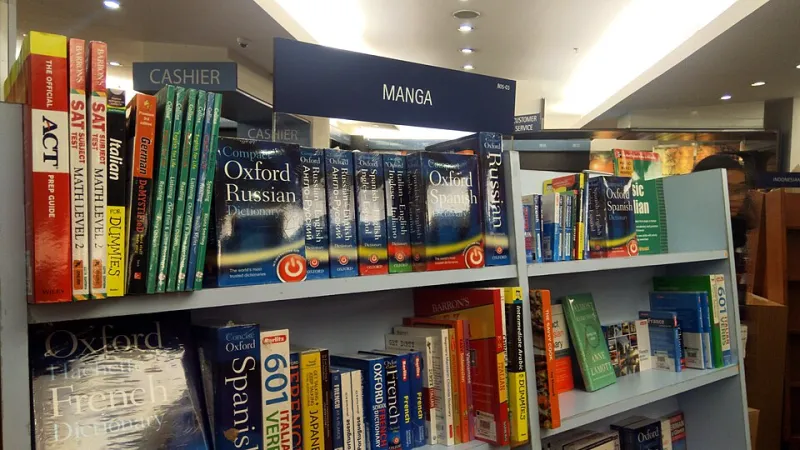
Photo: VulcanSphere, CC BY 4.0, via Wikimedia Commons
There was a time, not that long ago, when finding a romance manga in an American bookstore required the dedication of a shoujo heroine chasing after a boy who just boarded a train. You'd dig through a shrinking import section, pray the volume you needed was in stock, and leave with whatever you could find.
Fast forward to last Saturday, when I walked into my local Barnes & Noble and nearly tripped over a tower of Fruits Basket collector's editions sitting right next to the bestsellers. Not in the back. Not in a spinner rack. Front table, eye level, with a little "Staff Pick" card attached.
That moment didn't happen by accident. It was a decade-long slow burn, and honestly, it's one of the best love stories in publishing.
The Spinner Rack Era
For years, manga in the US lived a scrappy existence. Specialty shops like the late, great comic stores of the early 2000s carried it, and the occasional big-box store gave it a few inches of shelf space. Romance titles, especially shoujo, were an afterthought compared to the shonen heavyweights.
But something was quietly brewing. Publishers like VIZ Media, Kodansha USA, and Yen Press kept licensing romance series even when the sales numbers seemed modest. Fruits Basket had already proven, way back in the 2000s, that a romance manga could crack the New York Times bestseller list. The industry just hadn't figured out how to replicate that yet.
Turns out, it didn't need to. It needed to wait.
Enter BookTok, Stage Left
If you've spent any time on TikTok over the last few years, you already know what happened. BookTok didn't just revive backlist romance novels — it did something nobody predicted: it made manga recommendations go viral alongside them.
A single video of someone crying over the final chapter of a slow burn could move thousands of copies overnight. Series like A Condition Called Love, The Apothecary Diaries (romance-adjacent enough to count, fight us), and A Sign of Affection found massive American audiences through fifteen-second clips set to trending audio. The algorithm became the best matchmaker the industry ever had.
What made BookTok different from traditional marketing was the emotional honesty. Nobody was recommending these series with marketing copy. They were filming themselves sobbing, clutching volumes to their chests, doing shelf tours of their hauls. That's raw, word-of-mouth energy that no publisher could buy.
The Special Edition Arms Race
Publishers noticed. Oh, how they noticed.
The response was the special edition boom — hardcover collector's releases, omnibus volumes, box sets with exclusive art, and deluxe translations that treated these series like the literary properties they are. Fruits Basket got the collector's treatment and flew off shelves. Yen Press and VIZ started courting the same readers who were buying decorated paperbacks and annotated editions of romantasy novels.
This was smart positioning. The BookTok romance reader and the manga reader turned out to be the same person, or at least neighbors. Someone who binges Emily Henry in the summer will absolutely binge Skip and Loafer in the fall, given the chance. Retailers started cross-merchandising, and suddenly romance manga was shelved near — or in front of — mainstream romance fiction.
Why the Front Table Matters
Here's the part that gets me a little emotional, as someone who spent years hunting through bargain bins: visibility changes everything.
When a teenager sees a romance manga displayed at eye level next to a bestselling novel, it sends a message. This is normal. This is for you. You don't have to be "into anime" to pick this up. That's how you convert casual readers into lifelong fans, and it's how A Condition Called Love ended up on mainstream bestseller lists alongside books from traditional publishing houses.
Libraries have played a huge role too, for the record. American librarians, bless them, have been quietly building manga collections for years, and circulations stats gave publishers even more evidence that demand was real.
We Called It All Along
There's a certain satisfaction in watching something you loved in the margins become a main character. Romance manga didn't change to win America over — America finally caught up to it.
The tropes we've always celebrated here at LoveComi, the slow burns, the fake dating, the second leads who deserve better, are now sitting on front tables in suburban bookstores between the candles and the bookish tote bags.
And honestly? Cue the music. This confession has been a long time coming, and it's the kind of payoff we'd rate a perfect ten.
Now if you'll excuse me, there's a volume three with my name on it.


